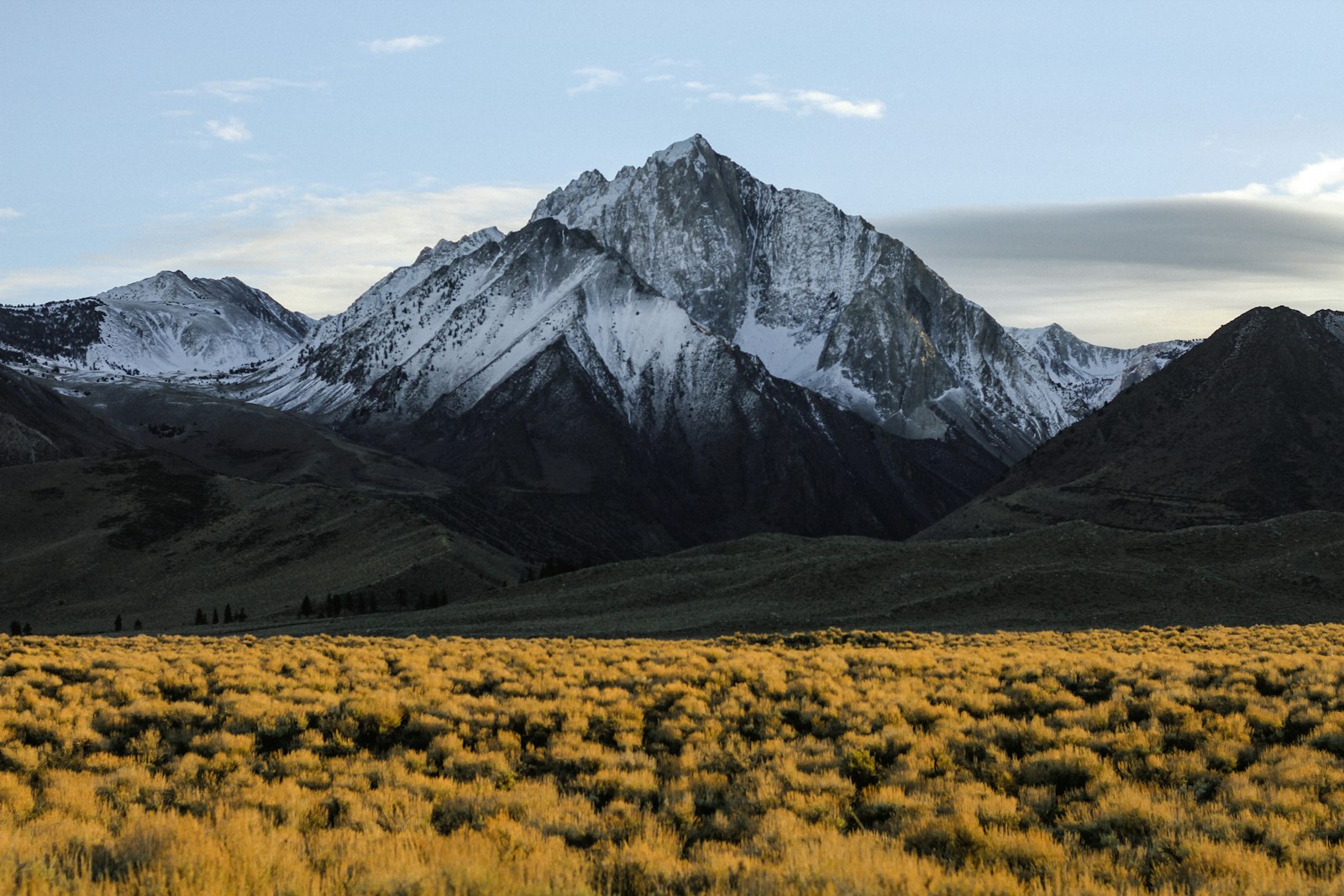
The Ötztal does not begin at the pool edge. It begins in the drive or the train window — a long corridor of rock and pasture that narrows your sense of scale until the sky feels taller than any building. Temperature is the valley’s first language. Shade is sharp. Sun is sudden. Wind off the glaciers edits every outdoor hour.
Writers who treat thermal culture as an indoor story miss the preface. In Tirol, heat is persuasive because cold is eloquent. Skiers know this in their bones; summer walkers learn it when a cloud crosses the ridge and the air drops several honest degrees.
A valley teaches temperature the way a river teaches direction — continuously, without apology.
Light as climate
Ötztal light is high and clarifying. Winter mornings can look engraved; summer afternoons bounce brightness off pale stone. That light makes steam visible, which is why outdoor thermal bowls photograph so well here — vapour becomes a second topography against peaks.
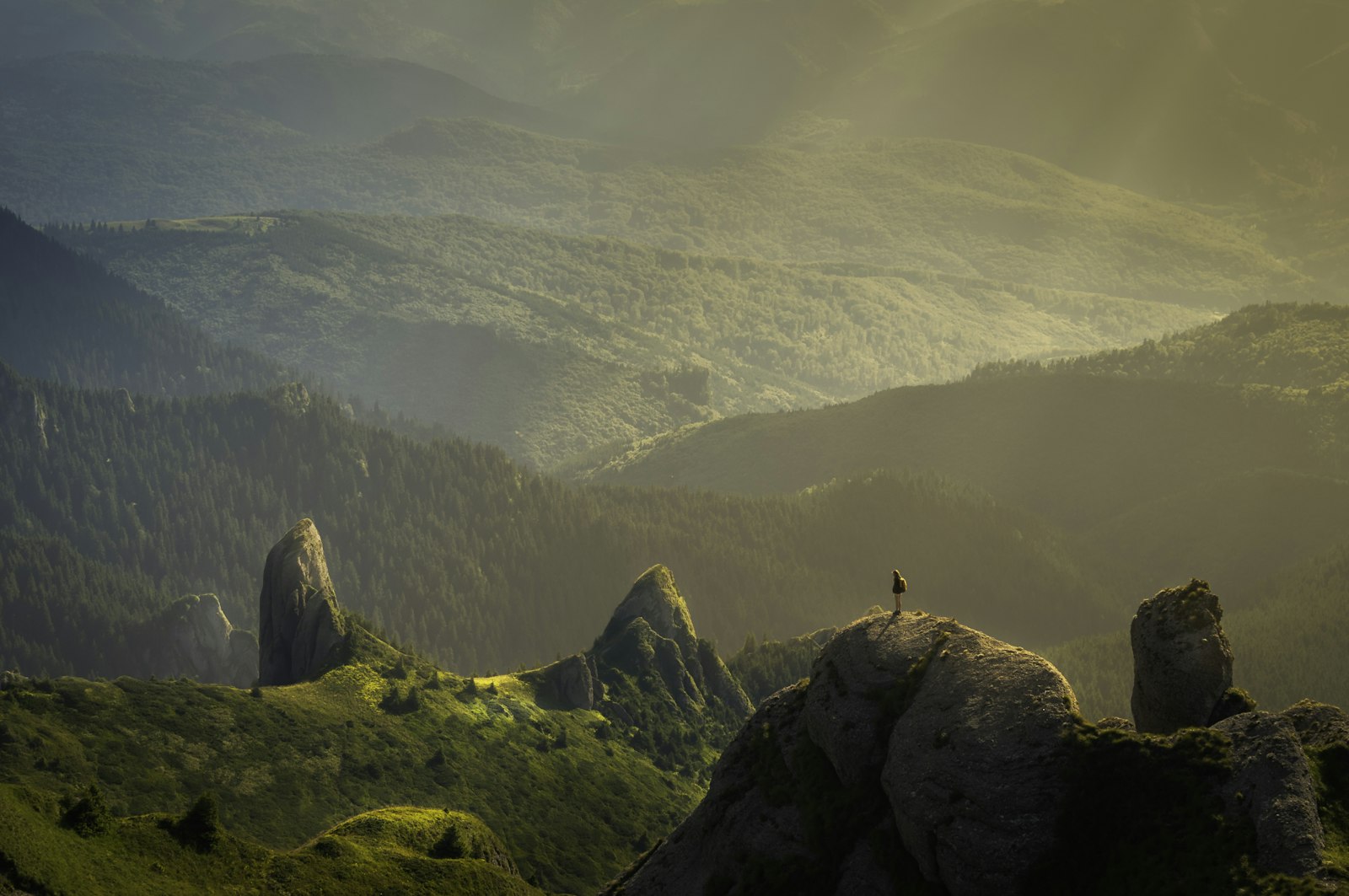
Geography also shapes social habit. Villages spaced along the valley floor developed practical relationships with weather: when to walk, when to stay near the stove, when to trust the snow. Thermal houses arrive as modern chapters in that older book. They concentrate warmth where the valley already concentrates people.
Reading place without owning it
This journal’s interest in the Ötztal is observational. We describe how landscape and water culture intertwine — including the well-known thermal complex at Längenfeld as a regional landmark in photographs and travel writing — without turning the valley into inventory. The place is the essay’s co-author; the reader remains free.
If you stand on a trail above the valley after a day of heat and cold contrast, you may notice something simple: the mountains look closer when your pulse has slowed. That is geography doing editorial work. Thermal Journal exists to notice such sentences.
Thermal Journal is an independent informational resource. This essay is for reading and cultural context — not a booking channel.