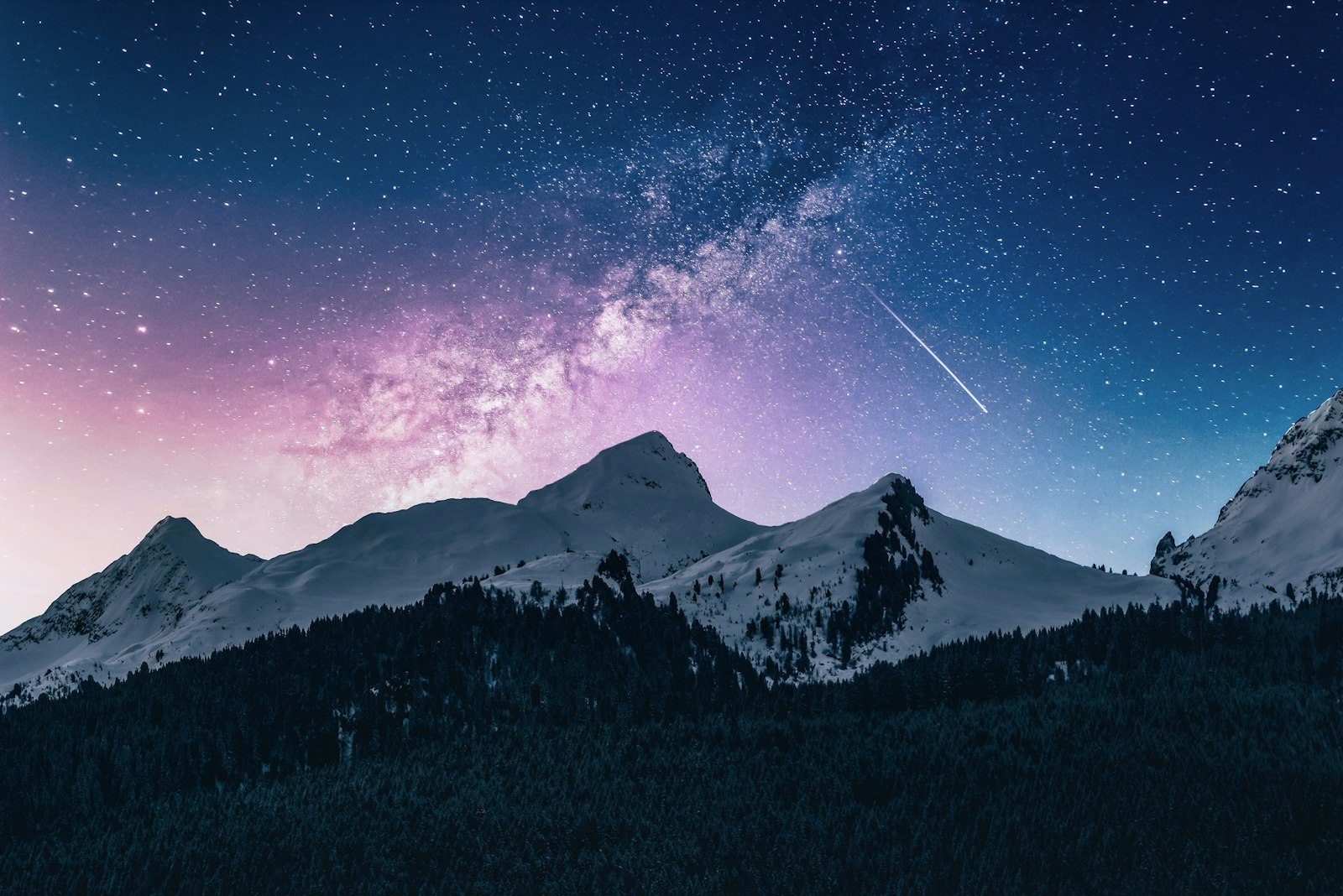
The final stage of a thermal day is not another temperature. It is recovery space — loungers, dim light, herbal tea, the soft exhaustion that follows a full circuit. In good alpine houses this quiet is protected. It is where the day reorganises itself.
Winter sharpens that quiet. Outside, blue hour settles on ridges; inside, bodies cool slowly from honest heat. Sound thins. Even conversation becomes optional. Rest is not leftover time. Rest is the essay’s last paragraph.
An informational journal ends in silence, not in a call to action.
Blue hour as editor
Photographers chase alpine blue hour for colour. Writers should chase it for pacing. After steam and plunge, the world’s edges soften. Mountains become silhouettes. The nervous system, freshly rinsed by contrast, can finally store the day instead of bracing against it.
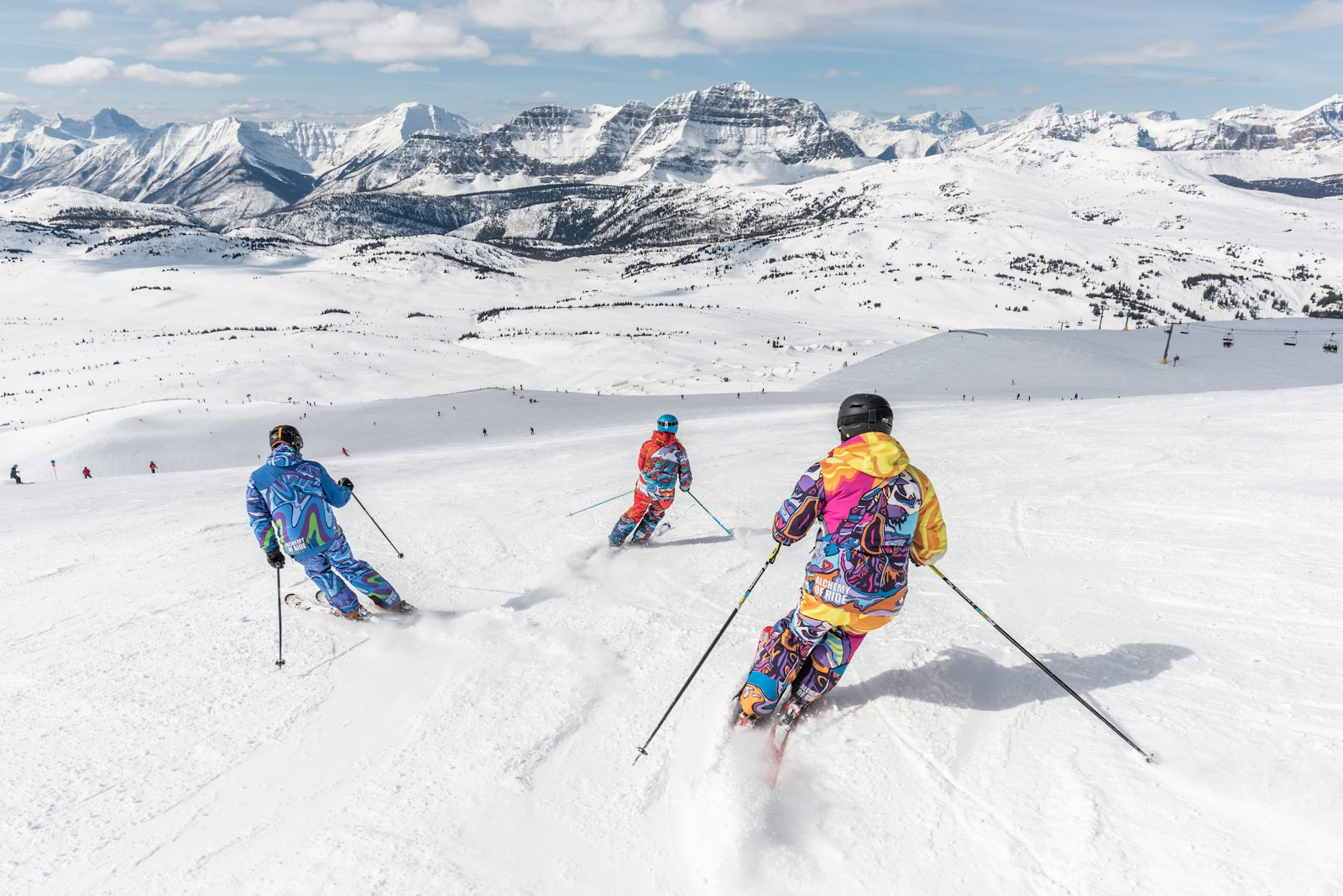
Tyrolean winter culture often pairs movement with recovery: ski, walk, then water, then stillness. Miss the stillness and the sequence feels incomplete, like a symphony without its final chord. Thermal Journal insists on the chord.
What we refuse
We refuse to turn rest into a sales funnel. No packages, no countdowns, no scarcity language. The Ötztal keeps its own doors; we keep the essays. If a reader finishes this page and simply breathes more slowly, the journal has done enough.
Winter silence after the soak is the clearest expression of our editorial aim: to describe alpine thermal culture as a way of attending to place — heat, cold, steam, and the long quiet that follows.
Thermal Journal is an independent informational resource. This essay is for reading and cultural context — not a booking channel.