Before the word wellness travelled the world, the Alps already had a vocabulary for recovery: the Kur. It meant a course of treatment, yes, but also a temporary citizenship in a slower town — walks measured by doctors, mineral water taken seriously, evenings that ended early because the mountain air had done its work.
Austrian spa culture grew from that soil. Springs were mapped, hotels gathered around them, and seasonal rhythms organised around people who came not to conquer peaks but to repair what cities had worn down. The ideology was medical and social at once: rest as duty, landscape as prescription.
The Kur did not invent mountain quiet. It institutionalised it.
From prescription to culture
Modern readers sometimes flatten history into nostalgia. Better to notice continuity. Today’s thermal complexes in Tirol look contemporary — glass, steel, choreographed steam — yet they still borrow the Kur’s central claim: that temperature and altitude can rewrite a body’s week.
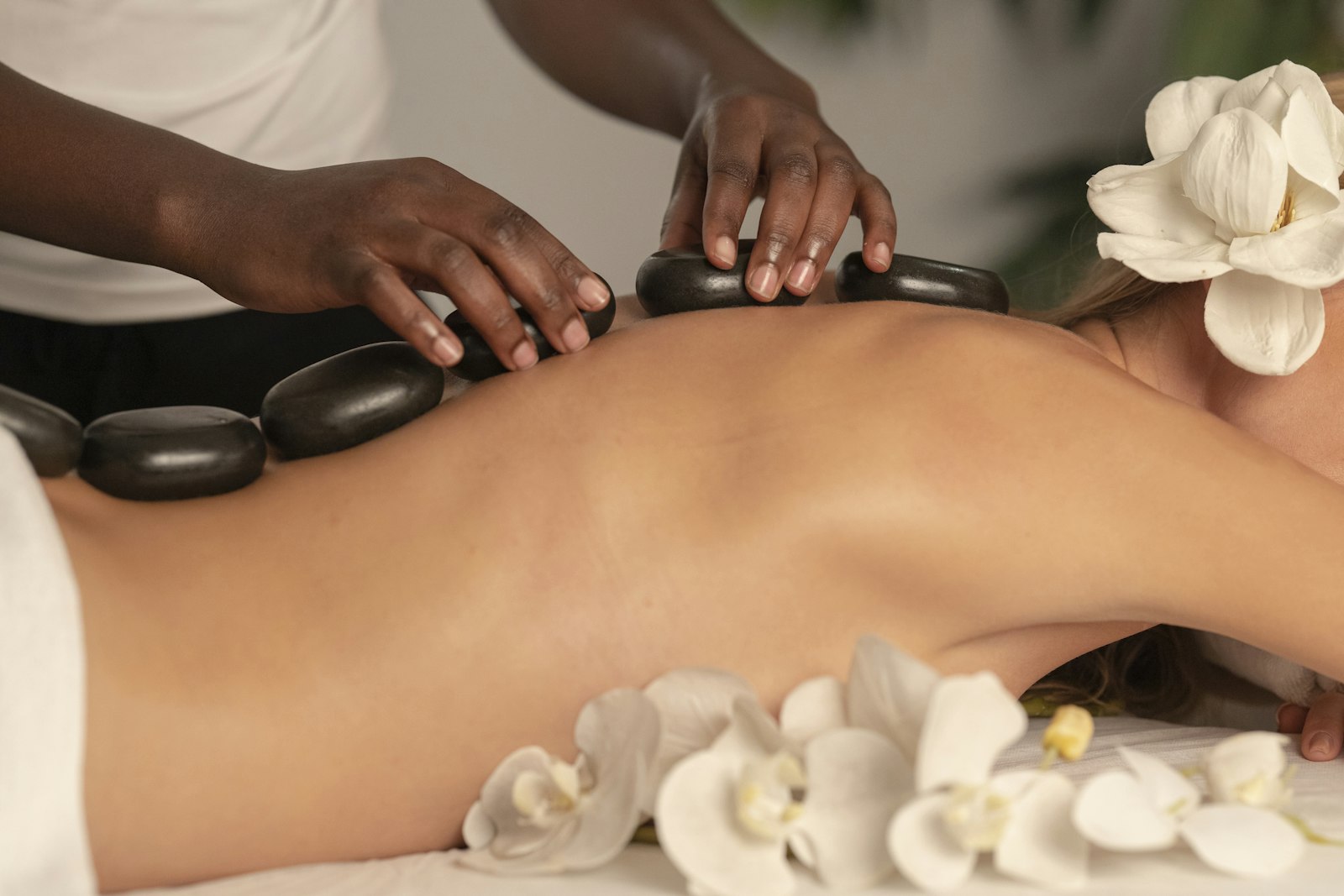
Hydrotherapy traditions across Central Europe — Kneipp applications, mineral bathing, graded walking — taught contrast long before cryotherapy became fashionable. Tyrolean sauna culture absorbed Finnish influence and local pragmatism. What remains is a civic etiquette of heat: shared rooms, limited speech, respect for the sequence.
Why history still matters in the steam room
When a journal writes about alpine wellness without history, it risks sounding like a catalogue. History returns proportion. It reminds us that Aqua Dome–era architecture sits on older habits of pilgrimage to water, and that “feeling restored” was once a public health idea, not only a private lifestyle choice.
Walk through any alpine Kur town’s older streets and you can still sense the pacing: promenades built for unhurried circulation, parks oriented toward light, hotels designed so that recovery was visible and shared. Thermal Journal reads those patterns into present-day Tirol — not to sell a cure, but to understand why mountain water culture still feels serious beneath its leisure.
Thermal Journal is an independent informational resource. This essay is for reading and cultural context — not a booking channel.